
Chapter 2

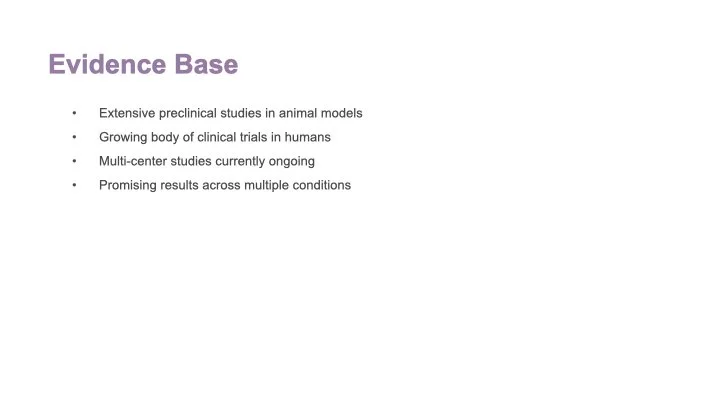
The therapeutic efficacy of photobiomodulation continues to gain validation through rigorous scientific investigation. A substantial foundation of evidence now supports its clinical application, built upon extensive preclinical studies in animal models that have established fundamental mechanisms of action. This research has successfully translated into a growing body of clinical trials in humans, with multi-center studies currently underway to further validate outcomes across diverse patient populations. The evidence demonstrates promising results across multiple medical conditions, establishing photobiomodulation as an evidence-based therapeutic modality with expanding clinical applications and a robust pipeline of ongoing research.
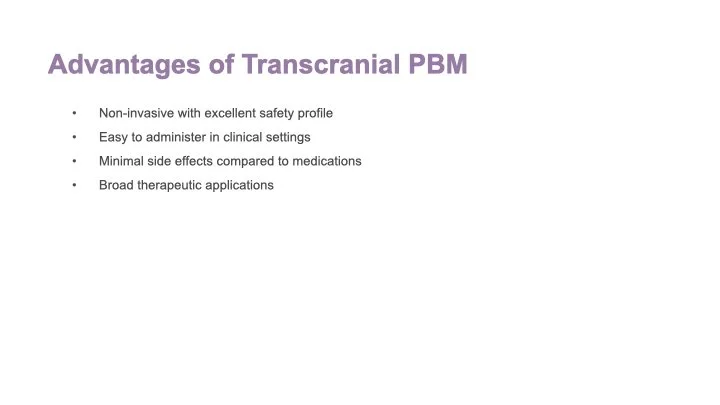
Transcranial photobiomodulation (tPBM) represents a breakthrough advancement in non-invasive therapeutic technology, offering a compelling alternative to traditional pharmaceutical interventions. This innovative treatment modality delivers targeted light therapy directly to brain tissue through the skull, harnessing the power of specific wavelengths to stimulate cellular function and promote neurological healing. What sets tPBM apart is its exceptional safety profile combined with remarkable versatility—it's completely non-invasive, requires no medications, and can be easily administered in clinical settings without specialized surgical procedures. With minimal side effects and broad therapeutic applications ranging from cognitive enhancement to neurological rehabilitation, tPBM is emerging as a preferred treatment option for practitioners seeking effective, patient-friendly solutions for brain health and wellness.
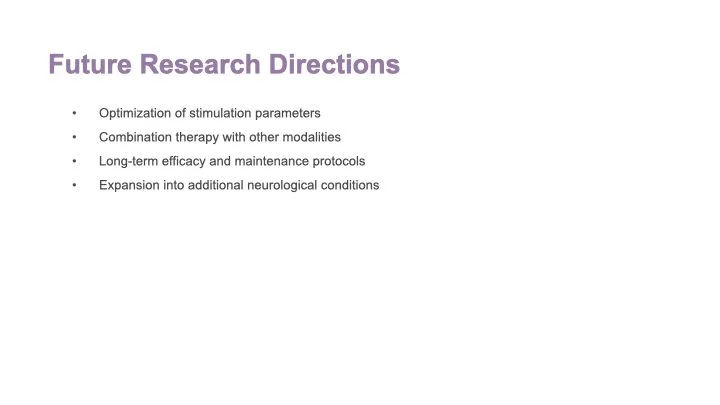
As the field of photobiomodulation continues to evolve, several critical areas warrant further investigation to optimize clinical outcomes and expand therapeutic applications. Future research efforts should focus on refining stimulation parameters to maximize treatment efficacy, exploring synergistic effects through combination therapy approaches with complementary modalities, and establishing robust long-term efficacy and maintenance protocols to ensure sustained patient benefits. Additionally, expanding clinical research into additional neurological conditions beyond current applications represents a promising frontier that could significantly broaden the therapeutic impact of laser therapy technology. These research directions will not only enhance our understanding of photobiomodulation mechanisms but also provide evidence-based guidance for practitioners seeking to deliver optimal patient care.