
Chapter 2
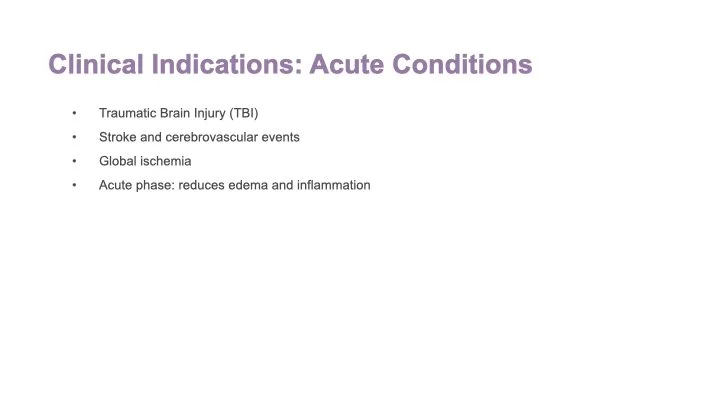
Photobiomodulation therapy has demonstrated significant therapeutic potential in treating acute neurological conditions, where rapid intervention can dramatically influence patient outcomes. In cases of traumatic brain injury (TBI), stroke, cerebrovascular events, and global ischemia, Class IV laser therapy offers a non-invasive approach to addressing the critical acute phase of injury. By delivering targeted light energy to affected neural tissues, photobiomodulation helps reduce edema and inflammation—two of the most damaging secondary injury mechanisms that occur following acute neurological trauma. This immediate neuroprotective effect can help minimize tissue damage, support cellular recovery, and create more favorable conditions for healing during the crucial hours and days following the initial injury event.
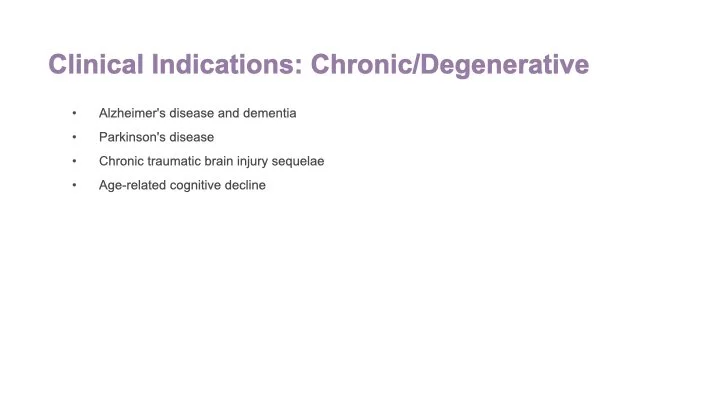
Photobiomodulation therapy has emerged as a promising non-invasive treatment approach for some of the most challenging chronic and degenerative neurological conditions. As our understanding of cellular energy metabolism and neuroprotection advances, Class IV laser therapy is demonstrating remarkable potential in addressing conditions that have historically had limited treatment options. From Alzheimer's disease and Parkinson's disease to chronic traumatic brain injury sequelae and age-related cognitive decline, photobiomodulation offers a unique mechanism of action that supports mitochondrial function, reduces neuroinflammation, and promotes neuronal repair. This therapeutic modality represents a significant advancement in our ability to support brain health and cognitive function in patients facing progressive neurological challenges.
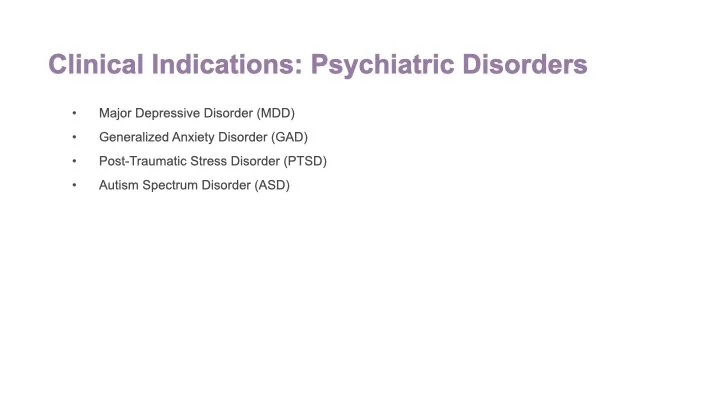
Clinical research has demonstrated the potential benefits of Class IV laser therapy in addressing several mental health disorders, including Major Depressive Disorder (MDD), Generalized Anxiety Disorder (GAD), Post-Traumatic Stress Disorder (PTSD), and Autism Spectrum Disorder (ASD). By utilizing specific wavelengths of light to stimulate cellular function and enhance mitochondrial activity in brain tissue, photobiomodulation offers a non-invasive, drug-free approach to supporting mental wellness. This therapeutic intervention works at the cellular level to reduce neuroinflammation, improve cerebral blood flow, and optimize neurotransmitter function, providing healthcare practitioners with an innovative tool to complement traditional psychiatric treatment protocols.