
Chapter 2

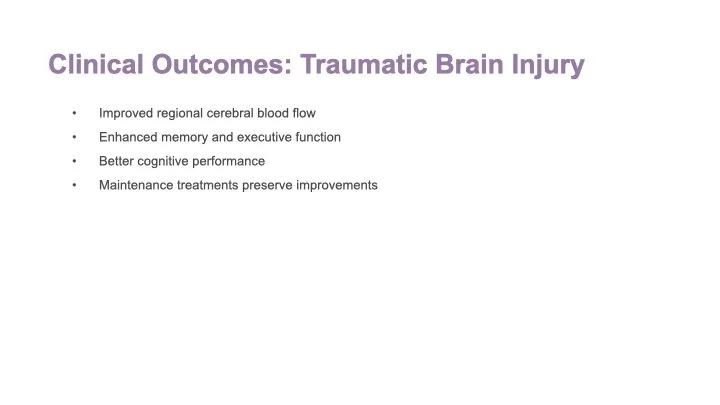
Photobiomodulation therapy has demonstrated significant clinical benefits in the treatment of traumatic brain injury (TBI), offering a non-invasive approach to enhancing neurological recovery. Research shows that Class IV laser therapy can improve regional cerebral blood flow, which is critical for brain healing and function restoration. Patients undergoing treatment experience enhanced memory and executive function, along with better overall cognitive performance. Importantly, the therapeutic effects can be sustained over time with maintenance treatments, allowing patients to preserve neurological improvements and maintain quality of life long after the initial injury. These outcomes represent a promising advancement in TBI care, particularly for patients seeking alternatives to traditional pharmaceutical interventions.
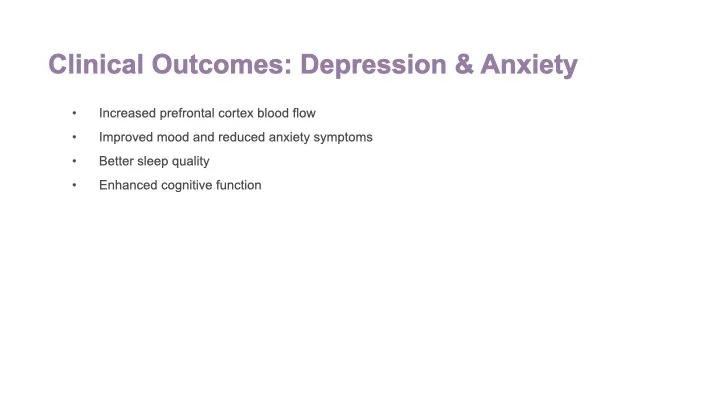
Photobiomodulation therapy has demonstrated significant promise in addressing mental health conditions, particularly depression and anxiety. Clinical research reveals that targeted light therapy can increase prefrontal cortex blood flow, a key mechanism underlying improvements in emotional regulation and cognitive processing. Patients undergoing photobiomodulation treatment have reported measurable improvements in mood and reduced anxiety symptoms, alongside enhanced sleep quality and cognitive function. These outcomes suggest that light therapy offers a non-invasive, drug-free approach to supporting mental wellness, with physiological changes that extend beyond symptomatic relief to address underlying neurological function.
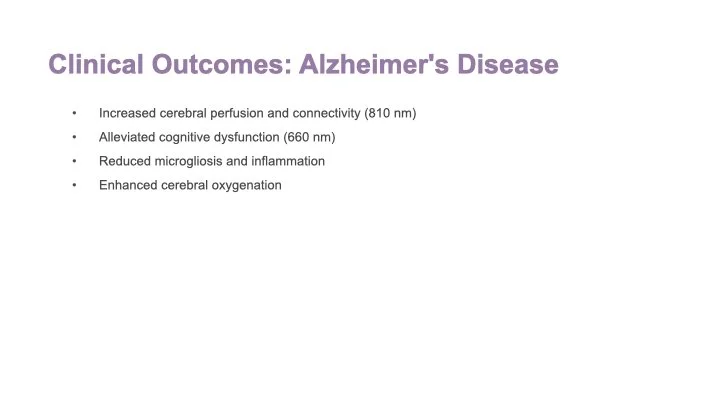
Through the application of targeted wavelengths—particularly 810 nm for deep tissue penetration and 660 nm for surface-level cellular activation—this non-invasive therapeutic approach targets multiple mechanisms underlying cognitive decline. Clinical research has documented measurable improvements across four key areas: enhanced cerebral perfusion and neural connectivity (810 nm), alleviation of cognitive dysfunction (660 nm), reduction in neuroinflammation and microglial activation, and optimization of cerebral oxygenation. These outcomes suggest that photobiomodulation may offer a complementary therapeutic option for patients with Alzheimer's disease, addressing both vascular and cellular factors that contribute to neurodegeneration while supporting the brain's inherent capacity for metabolic recovery and neuroprotection.
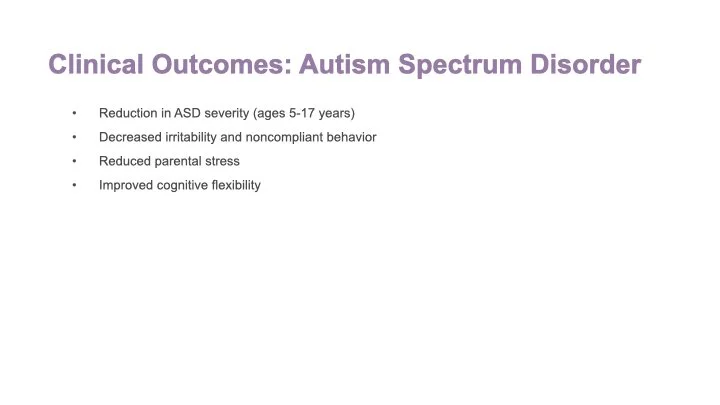
For children with Autism Spectrum Disorder, tPBM offers a non-invasive approach to symptom management and developmental support and has demonstrated promising clinical outcomes. Research involving children ages 5-17 years has shown measurable improvements across multiple domains, including a reduction in ASD severity markers, decreased irritability and noncompliant behavior, and enhanced cognitive flexibility. Additionally, parents of children receiving photobiomodulation therapy reported significantly reduced parental stress, suggesting that the benefits extend beyond the individual patient to positively impact the entire family dynamic. These findings position light therapy as a complementary intervention worthy of consideration in comprehensive autism treatment protocols.
Photobiomodulation therapy demonstrates profound neurobiological effects that extend beyond superficial tissue healing to impact fundamental brain function and neuroprotection. At the cellular level, light therapy initiates a cascade of beneficial neurological responses, including stimulating neurogenesis in critical brain regions such as the hippocampus and subventricular zone (SVZ)—areas essential for memory formation and neural regeneration. The therapy upregulates brain-derived neurotrophic factor (BDNF), a crucial protein that supports the survival of existing neurons and encourages the growth of new neurons and synapses. Additionally, photobiomodulation increases synapsin-1, a key marker of synaptogenesis that indicates enhanced neural connectivity and communication between brain cells. Perhaps most significantly, the therapy provides neuroprotective benefits by safeguarding dopaminergic neurons—the cells responsible for dopamine production—from cell death, making it particularly relevant for neurodegenerative conditions and cognitive health optimization.